

← All articles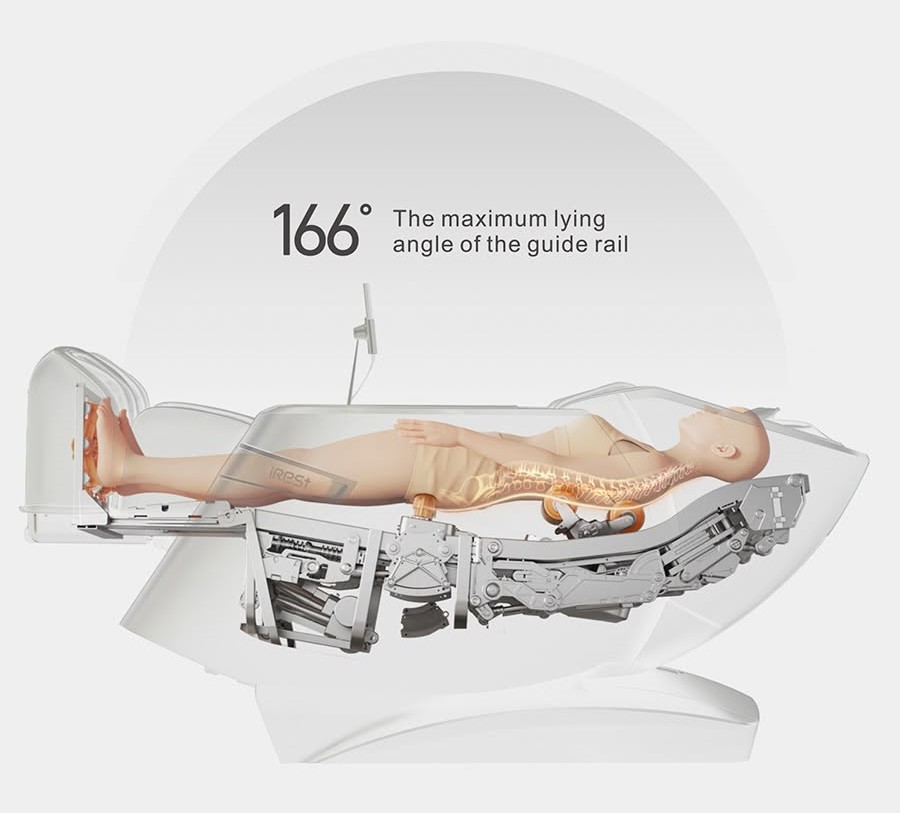
Neck and shoulder pain: causes and what can be done
Tension between the shoulder blades and a stiff neck are the most common companions of desk-based work. The cause is usually not a single one, so the solution is rarely just one thing either.
Why this happens
When sitting, the head tilts forward. Every centimetre forward multiplies the load on the neck muscles several times over — they're forced to hold the weight of the head continuously. After a few hours, the muscle no longer manages to relax and stays tense even once work has finished.
Breathing plays a part too. During periods of tension, breathing becomes shallow, the chest moves little, and the work is taken over by auxiliary neck muscles, which aren't meant for this.
What can be changed without any equipment
The top of the screen should be at eye level, elbows at roughly a 90-degree angle, feet flat on the floor. It's worth standing up for at least a minute every hour. This is a dull piece of advice, but it works better than any device if posture itself remains unchanged.
Where massage helps
Massage works on the tense muscle: it improves circulation, reduces stiffness and allows the muscle to release. In the neck and shoulder area, the chair has point-pressure modes and air cushions in the shoulder region designed for this. Regularity matters more than duration — 15 minutes daily gives more than one long session a month.
When massage isn't enough
If pain spreads into the arm, fingers go numb, strength weakens, or pain wakes you at night — this is no longer just muscle tension, and a doctor should be consulted. In such cases, massage may bring temporary relief but doesn't address the underlying cause.
It's also best to avoid massaging fresh injuries, areas of inflammation, or when running a fever.